
Smart Home Energy Storage Systems with Intelligent Control in 2026
Rising electricity prices, the rapid growth of residential solar installations and increasing pressure on national grids have turned home energy storage into a practical necessity rather than a niche technology. In 2026, intelligent battery systems are no longer simple backup units: they analyse consumption patterns, respond to dynamic tariffs, interact with electric vehicles and, in some regions, even support grid stability. This article examines how smart home energy storage systems work, which technologies dominate the market today, and what homeowners should realistically expect in terms of performance, savings and safety.
How Intelligent Home Energy Storage Systems Work
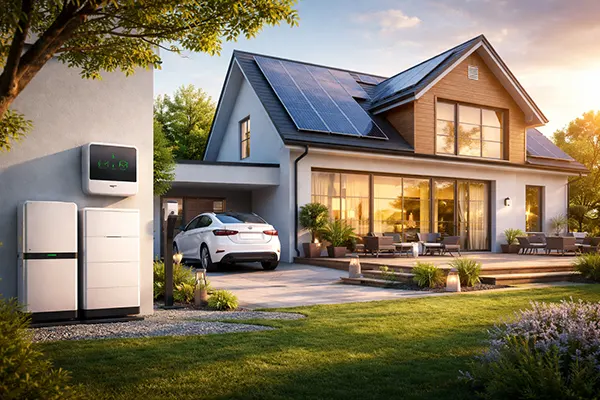
At the core of a modern home energy storage system is a lithium-based battery pack, most commonly lithium iron phosphate (LFP) due to its thermal stability and long cycle life. In 2026, leading residential units typically offer capacities between 5 kWh and 20 kWh per module, with scalable configurations reaching 40 kWh or more. These batteries are paired with hybrid inverters that manage energy flows between solar panels, the household load, the grid and the battery itself.
The “intelligent” element lies in the energy management software. Using machine learning algorithms, the system analyses historical consumption, weather forecasts and real-time tariff data. It determines when to charge from rooftop solar, when to draw from the grid during low-tariff periods, and when to discharge during peak pricing. This predictive optimisation can reduce reliance on expensive peak electricity and increase the share of self-consumed solar energy.
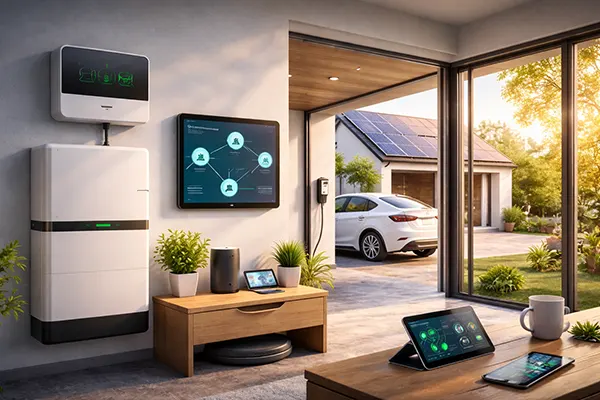
Advanced systems integrate with home automation networks via standard protocols such as Modbus, KNX or Matter. This allows coordinated control of high-load devices such as heat pumps, EV chargers and water heaters. Rather than reacting passively, the storage system becomes an active energy orchestrator, smoothing demand spikes and preventing overloads.
Core Components and Technical Architecture
A typical 2026 smart storage setup includes battery modules, a battery management system (BMS), a hybrid inverter and a cloud-based or local energy management controller. The BMS monitors cell voltage, temperature and state of charge in real time, balancing cells to extend lifespan. Modern LFP batteries are rated for 6,000 to 10,000 full cycles, translating into 15 years or more of residential use under normal conditions.
The inverter plays a critical role by converting DC electricity from solar panels and batteries into AC for household appliances. High-efficiency models now exceed 97% conversion efficiency. Many manufacturers also offer backup functionality with automatic transfer switches capable of restoring power within milliseconds during grid outages.
Cybersecurity has become a serious consideration. Because these systems connect to home networks and cloud services, reputable brands implement encrypted communication, two-factor authentication and regular firmware updates. In regions governed by strict data protection laws, local data processing options are increasingly available for homeowners concerned about privacy.
Economic and Environmental Impact in 2026
The financial case for home energy storage depends on local electricity tariffs, feed-in policies and installation costs. As of 2026, average installed prices in Europe range between £700 and £1,000 per kWh of usable capacity, depending on system complexity. While upfront investment remains significant, dynamic pricing and higher peak tariffs have improved payback periods in many countries.
Time-of-use optimisation is one of the strongest economic drivers. By charging batteries overnight when rates are low and discharging during peak evening hours, households can reduce annual electricity bills by 20–40% in high-tariff markets. When combined with solar photovoltaic systems, self-consumption rates can rise from roughly 30% to over 70%, significantly lowering grid dependency.
From an environmental perspective, intelligent storage reduces curtailment of renewable energy. Instead of exporting excess solar generation at low compensation rates, homeowners store and use it later. In aggregated models known as virtual power plants (VPPs), thousands of residential batteries can collectively stabilise the grid, reducing reliance on fossil-fuel peaker plants during demand surges.
Integration with Electric Vehicles and Smart Grids
In 2026, bidirectional charging is moving from pilot stage to wider adoption. Vehicle-to-home (V2H) technology allows compatible electric cars to act as temporary storage units, supplementing stationary batteries. This requires certified inverters and vehicles designed for bidirectional energy flow, but it can substantially increase overall household storage capacity.
Smart grids increasingly communicate directly with residential systems. Through demand response programmes, utilities send price signals or flexibility requests. Homeowners who opt in may receive financial incentives for allowing their batteries to discharge small amounts of power back to the grid during critical periods.
However, participation in such schemes requires careful contract review. Battery cycling affects long-term degradation, and compensation must offset potential wear. Transparent monitoring tools, available via mobile applications, help homeowners track usage, earnings and remaining warranty coverage.
Safety, Reliability and Long-Term Performance
Safety standards for residential battery storage have tightened significantly. In the UK and across the EU, compliance with IEC 62619 and related fire safety standards is mandatory. LFP chemistry has become dominant partly because it is less prone to thermal runaway compared to earlier nickel-manganese-cobalt (NMC) chemistries.
Proper installation remains critical. Certified installers assess ventilation, load distribution boards and fire separation requirements. Wall-mounted units are common in garages and utility rooms, while outdoor-rated enclosures with IP65 or higher protection are used where indoor space is limited.
Long-term performance depends on temperature control and usage patterns. Batteries operating consistently at moderate temperatures and partial charge cycles degrade more slowly. Intelligent software now limits extreme charge and discharge states automatically, preserving capacity over time.
What Homeowners Should Consider Before Installation
Before investing, homeowners should conduct a detailed consumption analysis covering at least 12 months of electricity bills. Understanding peak demand, seasonal variation and existing solar generation is essential for correct system sizing. Oversizing increases costs unnecessarily, while undersizing limits economic benefits.
Warranty terms deserve close scrutiny. In 2026, reputable manufacturers typically offer 10-year warranties with guaranteed remaining capacity thresholds, often around 70–80% at the end of the term. It is important to confirm whether warranties are based on time, energy throughput or both.
Finally, integration with future technologies should be considered. Choosing systems compatible with EV chargers, heat pumps and emerging grid services ensures flexibility. A well-designed smart storage installation is not merely a battery on the wall; it is a central component of a resilient, low-carbon household energy ecosystem.