
How Next-Generation Biometrics Is Changing Personal Device Security
Biometric authentication has moved far beyond simple fingerprint unlocking. By 2026, smartphones, laptops, tablets and wearable devices increasingly rely on behavioural analysis, artificial intelligence and multi-layer identity verification to protect user data. Technology companies are responding to rising cybercrime, identity theft and sophisticated phishing attacks by integrating advanced biometric systems directly into consumer electronics. Unlike passwords, which can be guessed, reused or stolen, biometric characteristics are linked to the individual user and are significantly harder to replicate.
The Shift from Traditional Passwords to Intelligent Biometric Systems
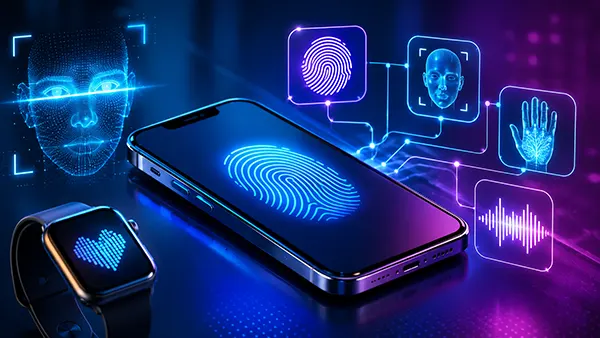
For many years, passwords remained the primary method of securing personal electronics despite well-known weaknesses. Users frequently reused credentials across multiple services, created weak combinations or stored passwords insecurely. As cyberattacks became more advanced, technology manufacturers began investing heavily in biometric alternatives that reduce dependence on memorised credentials. Fingerprint scanners were among the earliest widely adopted solutions, but modern systems now incorporate facial recognition, palm vein mapping and voice identification with far greater accuracy.
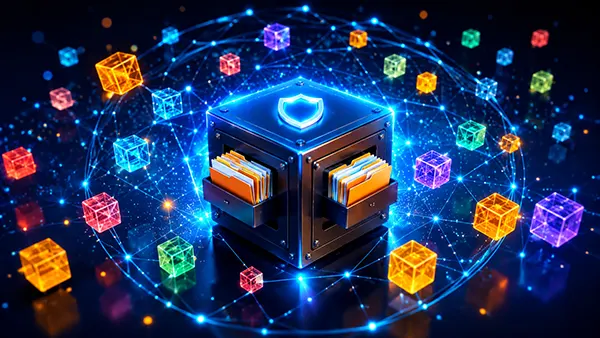
Apple, Samsung, Google and Microsoft continue refining on-device biometric processing to minimise security risks associated with cloud storage. In 2026, most flagship smartphones process biometric data within isolated hardware environments such as secure enclaves or trusted execution environments. This means facial maps, fingerprint patterns and behavioural signatures are stored locally rather than transmitted externally. Such architecture reduces exposure during data breaches and limits the ability of attackers to intercept sensitive identity information.
Artificial intelligence also plays a growing role in adaptive authentication. Modern systems evaluate subtle behavioural factors such as typing rhythm, swipe speed, device handling patterns and even walking style. These invisible checks operate continuously in the background and help identify suspicious activity without interrupting the user experience. If the device detects abnormal behaviour, additional verification may be requested automatically before granting access to financial applications, encrypted files or payment systems.
Why Multi-Modal Biometrics Are Becoming More Common
Single-layer biometric systems are no longer considered sufficient for high-value security environments. Technology firms increasingly combine multiple authentication methods to improve reliability and reduce spoofing risks. A modern smartphone may simultaneously analyse facial geometry, eye movement, depth sensing and behavioural patterns before authorising access. This layered approach significantly increases the difficulty of bypassing security protections using photographs, masks or recorded audio.
Financial institutions and mobile banking applications have accelerated adoption of multi-modal biometrics due to rising fraud losses worldwide. Several European banking providers now require facial verification combined with passive liveness detection during high-risk transactions. Liveness technology analyses involuntary human actions such as blinking, skin texture variation and micro facial movement to confirm that the subject is physically present rather than represented by a static image or deepfake recording.
Wearable technology has also become part of biometric ecosystems. Smartwatches and fitness trackers can continuously monitor heart rhythm signatures, blood flow patterns and movement behaviour to support identity confirmation. Researchers have found that cardiac biometrics may eventually become one of the most difficult identifiers to counterfeit because every person’s heart rhythm contains highly individual characteristics that change dynamically in real time.
Artificial Intelligence and Behavioural Biometrics in Device Protection
Behavioural biometrics represents one of the fastest-growing areas of consumer cybersecurity in 2026. Unlike static identifiers such as fingerprints, behavioural systems analyse how users interact with their devices over time. Machine learning models can recognise thousands of subtle actions including touchscreen pressure, navigation habits, application usage frequency and mouse movement behaviour. These systems create dynamic identity profiles that evolve continuously with the user.
One major advantage of behavioural verification is its ability to operate passively. Users are not required to stop and perform repeated authentication checks throughout the day. Instead, AI systems evaluate activity silently in the background while monitoring for anomalies that may indicate unauthorised access. If suspicious behaviour appears, the device can temporarily lock sensitive functions, require secondary verification or trigger fraud alerts without disrupting normal activity unnecessarily.
Cybersecurity analysts note that behavioural biometrics has become increasingly valuable against social engineering attacks. Even if attackers obtain passwords, SIM cards or partial biometric information, replicating an individual’s behavioural profile remains extremely difficult. This additional protection layer is especially important as deepfake technology grows more convincing. Criminal groups have already demonstrated the ability to imitate voices and facial appearances with alarming realism, forcing manufacturers to strengthen anti-spoofing systems.
The Growing Challenge of Deepfake Attacks
Deepfake technology has created serious concerns for biometric authentication systems. AI-generated facial replicas and synthetic voice recordings are now capable of deceiving outdated recognition software. In response, device manufacturers are introducing advanced detection methods designed specifically to identify artificially generated media. Modern systems examine light reflection, skin depth consistency, natural eye focus and involuntary muscle reactions to distinguish genuine users from manipulated content.
Several cybersecurity firms reported in 2025 that deepfake-enabled fraud attempts increased substantially across banking and corporate environments. Attackers increasingly target remote verification systems where users authenticate using smartphone cameras or voice recordings. To address this threat, many companies have integrated challenge-response verification into authentication workflows. Users may be asked to perform spontaneous actions such as turning their head, changing facial expression or reading random phrases aloud during verification.
Regulatory organisations in Europe and North America are also introducing stricter standards for biometric security systems. New compliance frameworks increasingly require transparency regarding how biometric data is collected, processed and retained. Manufacturers that fail to protect sensitive identity information may face substantial penalties under privacy legislation such as the GDPR and emerging AI governance laws. As a result, device makers are investing more heavily in encrypted local processing and minimised data retention policies.
The Future of Personal Device Security Beyond 2026
The next phase of biometric security will likely focus on continuous identity validation rather than one-time authentication events. Instead of verifying users only during login, future devices may constantly evaluate trust signals throughout the entire session. This approach could reduce the risk of unauthorised access after a device has already been unlocked. Continuous verification may combine behavioural analysis, environmental context, biometric sensing and AI-driven risk scoring simultaneously.
Researchers are also exploring contactless biometric technologies that improve convenience without reducing security standards. Radar-based gesture recognition, heartbeat analysis through wireless signals and advanced iris scanning systems are already being tested in prototype consumer electronics. Some experimental systems can identify individuals from short distances without requiring physical interaction with the device. Such technology could become especially valuable for automotive systems, smart homes and augmented reality hardware.
Privacy concerns remain central to public discussion surrounding biometric adoption. Many consumers support stronger device protection but remain cautious about how personal biological data is stored and used. Technology companies therefore face increasing pressure to provide transparent privacy controls, local data storage and clear deletion mechanisms. Trust will become one of the defining factors shaping the long-term success of biometric ecosystems over the coming years.
How Consumers Can Use Biometrics More Safely
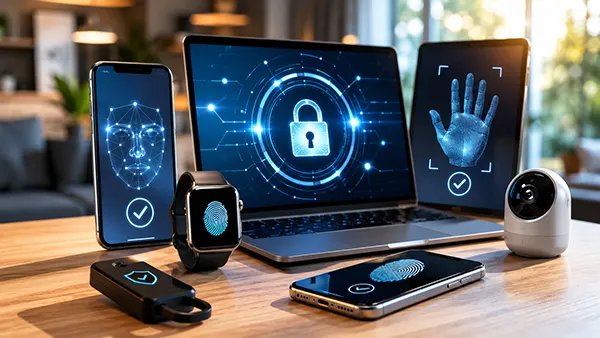
Despite improvements in biometric security, users still play an important role in protecting personal information. Experts recommend enabling multi-factor authentication alongside biometric login whenever possible. Combining biometrics with hardware security keys or trusted secondary devices creates additional protection against account compromise. Relying solely on one authentication method may still expose users to targeted attacks under certain conditions.
Regular software updates are equally important because manufacturers frequently release security patches addressing newly discovered vulnerabilities. Outdated biometric systems may lack protection against modern spoofing techniques or AI-generated fraud attempts. Users should also review device privacy settings carefully to understand how biometric data is stored and whether information is processed locally or externally.
As biometric technology continues evolving, personal device security is becoming more adaptive, intelligent and personalised than ever before. By 2026, advanced authentication systems are no longer limited to premium smartphones or corporate infrastructure. They are becoming a standard component of everyday digital life, helping users secure financial information, communications and private data against increasingly sophisticated cyber threats.